

How Fiber Laser Technology is Revolutionizing Metal Fabrication
-
April 30, 2026

-
5 min read

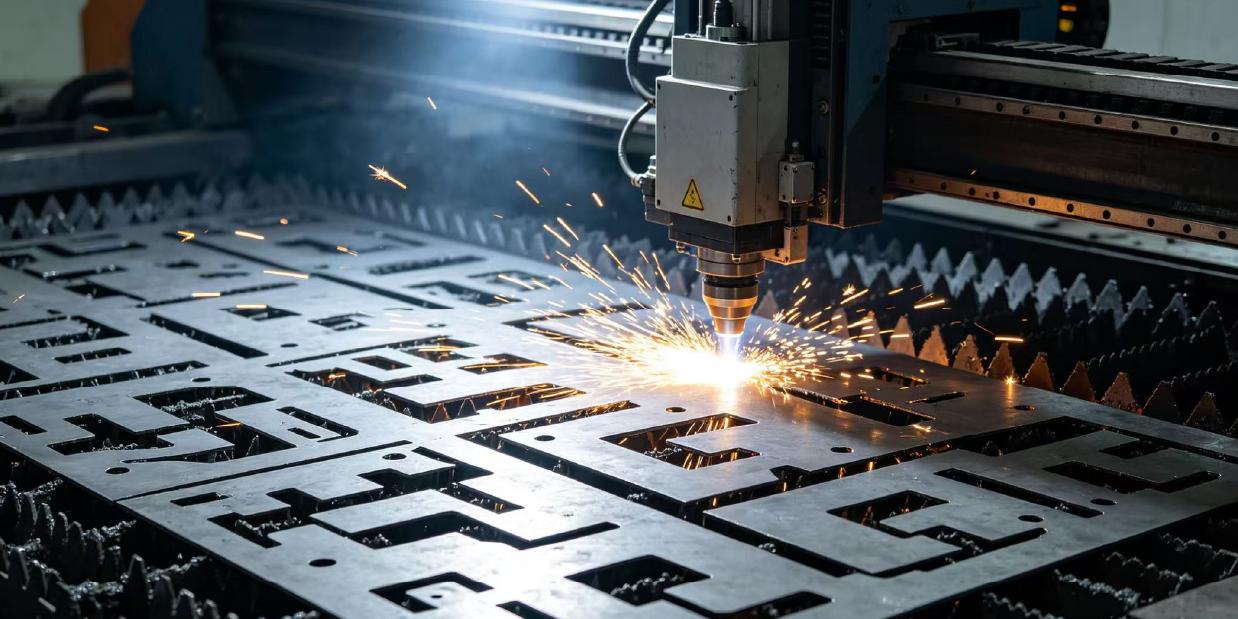
The industrial laser landscape has undergone a dramatic transformation over the past decade. What was once the exclusive domain of high-budget aerospace and automotive manufacturers has now become accessible to small and medium enterprises worldwide. Fiber laser technology, in particular, has emerged as the driving force behind this democratization of precision manufacturing.
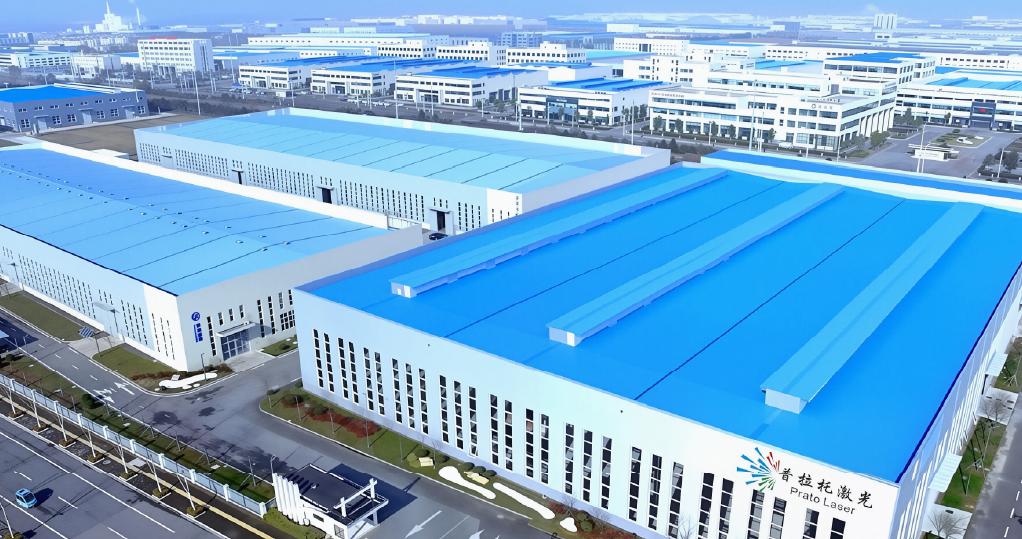
At Prato Laser, we've witnessed this evolution firsthand since our founding in 2014. Our engineering team has tracked every major breakthrough, integrating cutting-edge innovations into our product lineup to ensure our customers always have access to the most advanced laser solutions available.
Fiber lasers offer several distinct advantages over traditional CO₂ and Nd:YAG laser systems. Understanding these benefits is crucial for manufacturers evaluating their next equipment investment.
Modern fiber lasers achieve wall-plug efficiency rates of 30–45%, compared to just 10–15% for CO₂ lasers. This translates directly to lower operating costs—a critical consideration for high-volume production environments. Over a typical five-year lifespan, the energy savings alone can offset a significant portion of the initial equipment investment.
One of the most compelling arguments for fiber laser adoption is the dramatically reduced maintenance burden. Unlike CO₂ lasers, which require regular mirror alignment, gas refills, and optics replacement, fiber lasers operate with a sealed beam delivery system that is virtually maintenance-free.
"Since switching to fiber laser technology, our maintenance costs have dropped by 72%, and machine uptime has increased from 85% to over 97%. The impact on our production schedule has been transformational."
— Wang Jun, Production Director, Jinhua Precision Manufacturing
The beam quality of fiber lasers (measured by the M² parameter) is typically between 1.0 and 1.3, approaching the theoretical ideal of a perfect Gaussian beam. This superior beam quality enables tighter focusing, resulting in narrower kerf widths, smoother cut edges, and the ability to process thinner materials with unprecedented precision.
The versatility of fiber laser technology has opened doors across multiple industries. Here are some of the most impactful applications we're seeing in 2025:
The automotive sector remains the largest consumer of industrial laser technology. With the global push toward electric vehicles, manufacturers are processing an increasingly diverse range of materials—from ultra-high-strength steel for crash structures to aluminum alloys for battery enclosures. Fiber lasers excel in this environment because they can switch between material types with minimal setup changes.
Perhaps no sector has driven fiber laser adoption faster than new energy. Lithium-ion battery manufacturing requires precise welding of thin copper and aluminum tabs—a task where fiber lasers outperform all alternatives. The ability to deliver controlled, low-heat-input welds prevents thermal damage to sensitive battery cells while maintaining production speeds exceeding 200 tabs per minute.
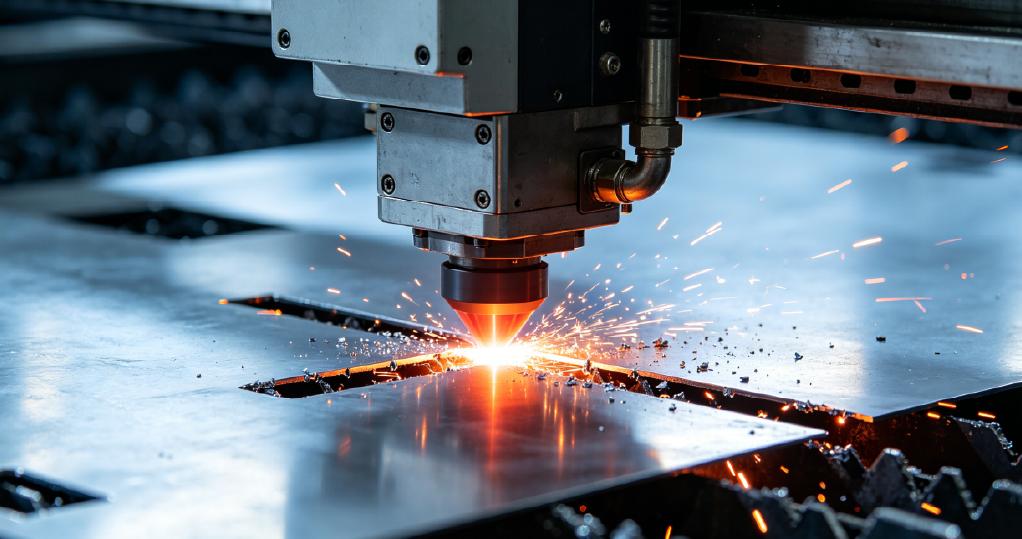
Several emerging technologies are poised to further accelerate the capabilities of fiber laser systems in the coming years. Our R&D team has been closely monitoring these developments:
Multi-kW single-module lasers: New pump diode architectures are enabling single fiber modules to deliver 6kW or more, reducing system complexity and cost while improving reliability.
Beam shaping technology: Programmable beam profiles allow operators to dynamically adjust the laser spot shape during processing, optimizing cut quality for different material thicknesses without changing optics.
AI-driven process optimization: Machine learning algorithms are being integrated into laser controllers to automatically adjust parameters in real-time based on sensor feedback, reducing scrap rates by up to 40%.
Green and UV fiber lasers: Frequency-doubled fiber lasers operating at 532nm and 355nm are opening new possibilities for processing copper, glass, and polymer materials that are difficult to handle with infrared wavelengths.
Ultra-fast pulse technology: Picosecond and femtosecond fiber lasers are moving from laboratory settings into industrial production, enabling cold ablation processing that eliminates heat-affected zones entirely.
Selecting the optimal fiber laser system requires careful consideration of several factors. Based on our experience working with over 2,000 customers across 80+ countries, here are the critical decision points:
Power level: For sheet metal cutting applications, the required laser power depends primarily on the maximum material thickness you need to process. As a general guideline, 1–3kW systems handle materials up to 12mm, while 6–12kW systems are needed for thicker plates up to 30mm. For welding applications, power requirements vary based on joint configuration and material type.
Automation integration: Consider your production volume and workflow requirements. Automated loading/unloading systems, rotary axes for tube processing, and coil-fed configurations can dramatically increase throughput for high-volume operations.
Total cost of ownership: Look beyond the purchase price. Factor in energy consumption, consumables (assist gas, protective lenses), maintenance schedules, and expected machine lifespan. A slightly higher upfront investment in a premium system often delivers significantly lower cost-per-part over its operational life.
"The best laser system isn't necessarily the most powerful or the most expensive. It's the one that's precisely matched to your production requirements and growth trajectory."
As we look toward 2025 and beyond, the trajectory of fiber laser technology is clear: higher power, greater precision, deeper automation integration, and broader material compatibility. The convergence of laser technology with Industry 4.0 principles—including IoT connectivity, digital twins, and predictive maintenance—is creating smart manufacturing ecosystems that were unimaginable just a few years ago.
At Prato Laser, we're committed to staying at the forefront of these developments. Our ongoing investment in R&D, combined with our deep understanding of real-world manufacturing challenges, positions us to deliver solutions that not only meet today's needs but anticipate tomorrow's demands. Whether you're a first-time laser buyer or looking to upgrade your existing fleet, our team of engineers is ready to help you navigate the options and find the perfect solution for your application.
The future of metal fabrication is being written by laser light—and the best chapters are yet to come.

English